The birds
Herons and Egrets
Herons and egrets are the patient hunters of the wetland: long legs, long necks, dagger bills and the ability to stand still for longer than seems possible.
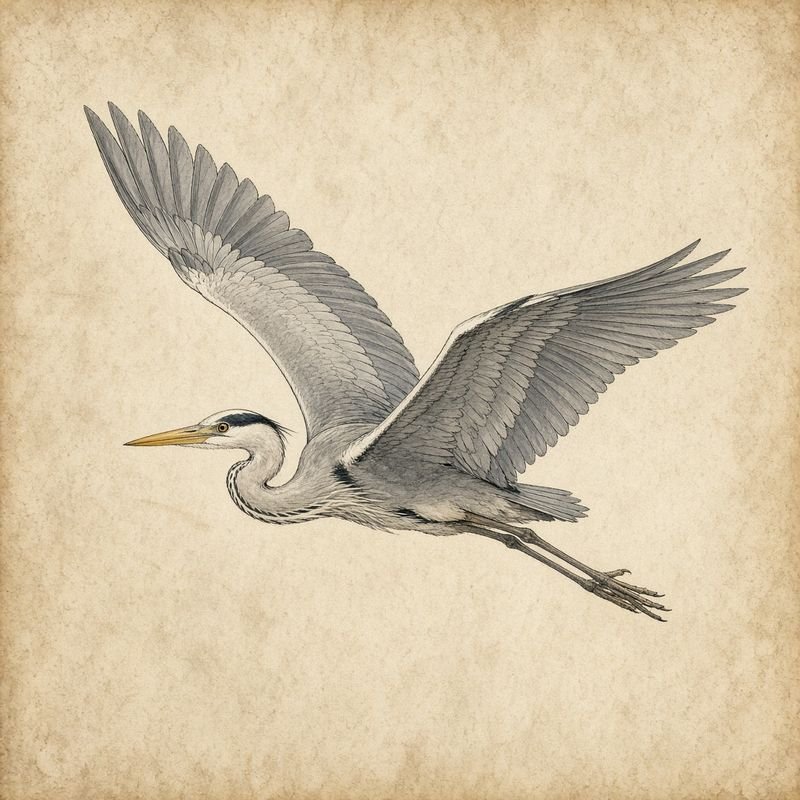
Grey heron
The grey heron (Ardea cinerea) is a large grey, white and black bird found across much of Europe, Asia and Africa. It hunts fish, frogs and small mammals by standing motionless in shallow water or walking slowly, then striking with its bill. In flight it folds its neck back into its shoulders, which helps tell it from cranes and storks.
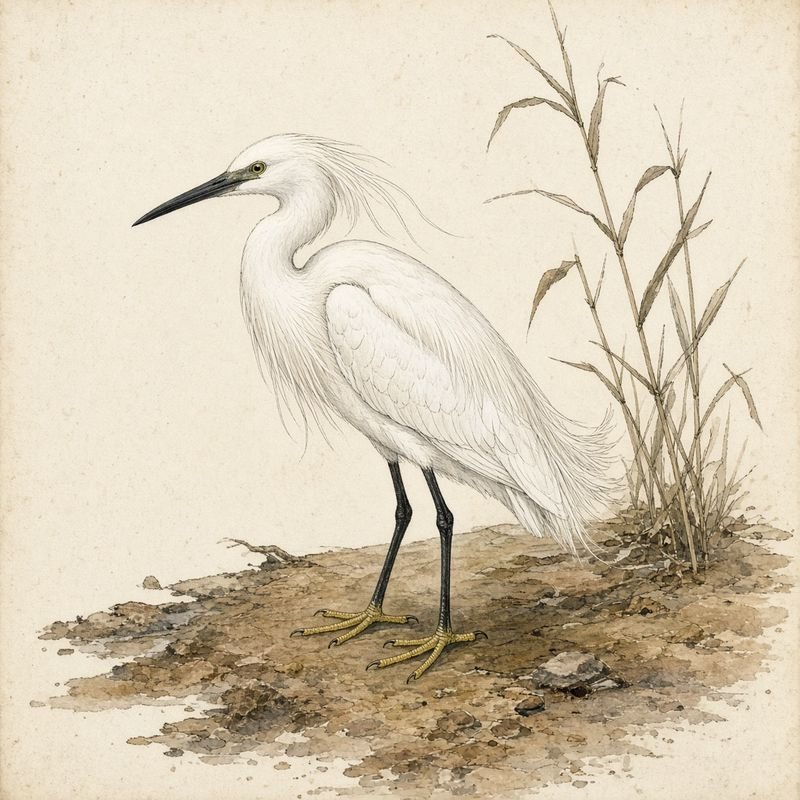
Little egret
The little egret (Egretta garzetta) is smaller, pure white, with a black bill, black legs and yellow feet. It often feeds more actively than a heron, stirring the water with a foot to flush out prey.
Bittern
The Eurasian bittern (Botaurus stellaris) is a stocky, streaked brown heron of dense reedbeds. It is far more often heard than seen: in spring the males give a deep, booming call that carries a long way. When alarmed it may freeze with its bill pointing straight up, blending into the reeds.
Heronries
Grey herons usually nest in colonies, called heronries, often high in trees near water, and sometimes in reedbeds. Nesting can begin very early in the year. Watch heronries from a distance and never approach nests.
Which species you can see depends on where you live. A local bird club or field guide is the best way to learn your own area.